Brake System Plausibility Device
This blog presents the design and development of a Brake System Plausibility Device (BSPD) for a racing vehicle. The project focuses on creating an electronic system that monitors and verifies the integrity of brake signals to ensure safe and reliable operation. It covers the process from understanding the system logic, designing and simulating circuits, to testing and validating performance under real-world conditions. The blog highlights how safety-critical functions can be implemented in high-performance hardware for motorsports applications.
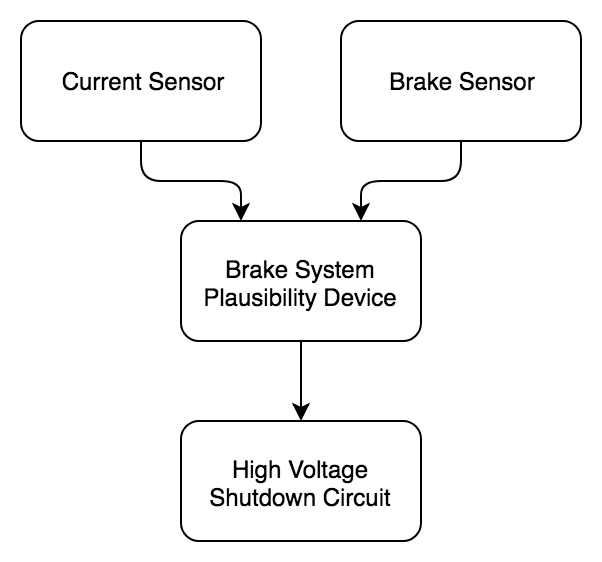

The Brake System Plausibility Device (BSPD) is one of the key safety projects planned for N7 Racing Team this season. Although the project has not officially started yet, it is already part of the roadmap I defined for the electrical department, and I have begun working on the preliminary study.
At this stage, my focus is on understanding the BSPD requirements, its safety role, and the different technical approaches that can be used to implement it. This includes studying how braking signals are monitored, how plausibility checks are performed, and how the system must react in fault conditions to ensure safe vehicle operation.
In parallel, I am exploring various technologies and design options, such as analog versus digital implementations, signal conditioning methods, and reliability considerations for motorsport environments. The objective of this initial phase is to evaluate the most suitable solution and then clearly explain the chosen architecture and technology to the team before starting the development phase.
This preparatory work is essential, as it lays the foundation for a robust, compliant, and safety-critical system that will be developed collaboratively within the team later in the season.