ELECTRONICS ENGINEER
&
MOTORSPORTS ENTHUSIAT
Electronics engineer passionate about Formula Student and motorsports.


EV Powertrain Inverter Study
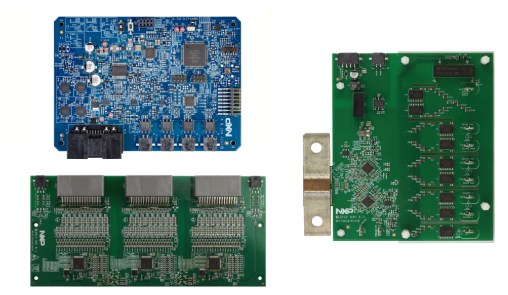
High-Performance BMS Architecture
TSAL Electronic Design for Racing Vehicle
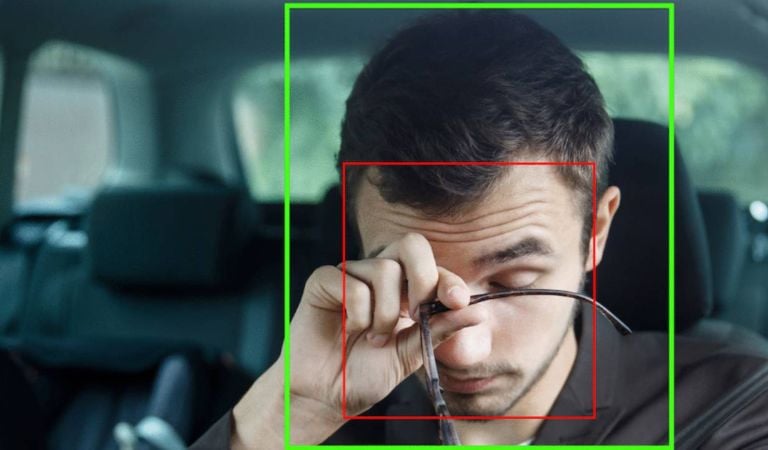
Driver Fatigue Detection System (Embedded AI project)
Brake System Plausibility Device
KEY Projects
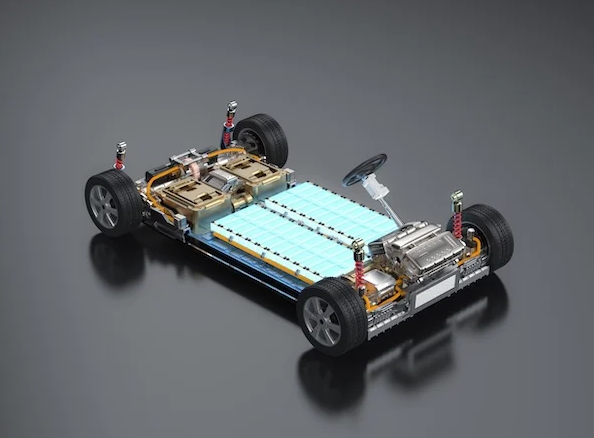
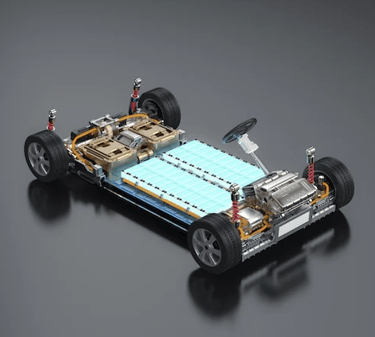
A Battery Management System (BMS) is a critical component in electric and hybrid vehicles, responsible for monitoring, protecting, and optimizing battery performance. It continuously measures key parameters such as voltage, current, and temperature to ensure safe operation and extend battery lifetime. Beyond safety, the BMS plays a central role in energy efficiency through state estimation algorithms (SOC, SOH) and intelligent control strategies. Its development requires strong expertise in electronics, embedded systems, control, and applied mathematics, making it a key field at the intersection of automotive engineering and modern technologies.
A Driver Fatigue Detection System is designed to enhance road safety by identifying signs of driver drowsiness and reduced alertness in real time. It analyzes behavioral and physiological indicators such as eye movements, facial expressions, steering patterns, or vehicle dynamics. By combining signal processing, computer vision, and artificial intelligence algorithms, the system can detect fatigue early and trigger warnings to help prevent accidents. Such systems are increasingly important in modern vehicles and advanced driver assistance systems (ADAS), where reliability, real-time processing, and robustness are critical.
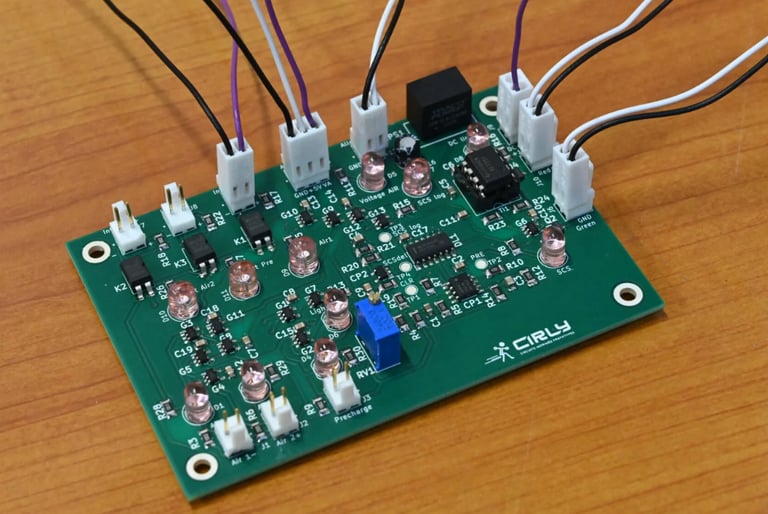
The Tractive System Active Light (TSAL) is a critical safety component in electric racing vehicles, indicating the status of the high-voltage system. Its electronic design ensures reliable visual signaling under all operating conditions, complying with Formula Student safety regulations. Developing a TSAL involves analog and digital electronics, embedded systems, and rigorous validation to guarantee robustness, reliability, and safety in a high-performance motorsport environment.
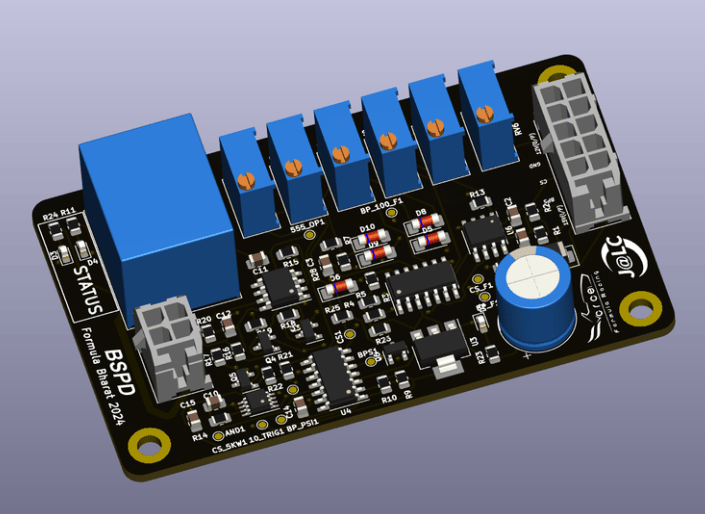
The Brake System Plausibility Device (BSPD) is a mandatory safety system in electric racing vehicles that monitors the consistency between braking input and motor torque. Its role is to detect implausible conditions, such as simultaneous high throttle and braking, and to trigger a system shutdown to ensure driver safety. The BSPD relies on reliable sensor monitoring, analog and digital electronics, and strict compliance with Formula Student safety regulations.
A Battery Management System (BMS) is a critical component in electric and hybrid vehicles, responsible for monitoring, protecting, and optimizing battery performance. It continuously measures key parameters such as voltage, current, and temperature to ensure safe operation and extend battery lifetime. Beyond safety, the BMS plays a central role in energy efficiency through state estimation algorithms (SOC, SOH) and intelligent control strategies. Its development requires strong expertise in electronics, embedded systems, control, and applied mathematics, making it a key field at the intersection of automotive engineering and modern technologies.
Credits : www.instructables.com
Credits : www..chauquest.com
About me
I am a curious and motivated individual with a strong passion for engineering, technology, and motorsports. I enjoy learning new skills, tackling challenges, and applying my knowledge to real-world projects. Disciplined and goal-oriented, I combine creativity with precision, whether in my studies, personal projects, or fitness routine. I am always eager to explore new ideas and opportunities that allow me to grow both personally and professionally.
Mon parcours
My passions
I have a strong interest in football, which I follow both as a sport and as a source of teamwork and discipline. I am also passionate about Formula 1, from an engineering perspective as well as through watching races, analyzing car performance, strategy, and technological innovation. In addition, I enjoy solving mathematical problems, an interest I have maintained since my preparatory classes, as it continues to sharpen my analytical thinking and problem-solving skills.
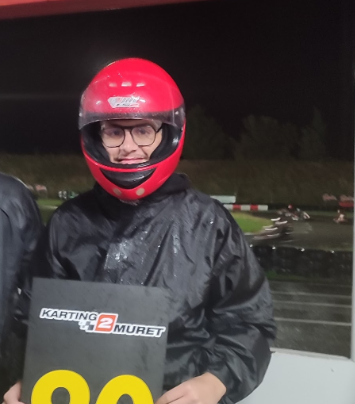
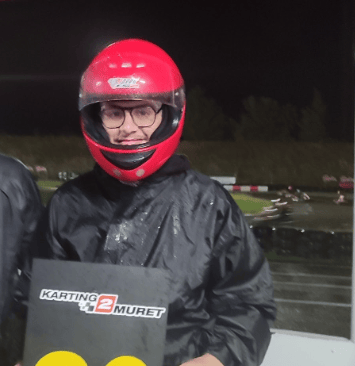
I had the opportunity to race at the Karting de Muret, near Toulouse, France. Beyond improving my skills in speed, precision, and vehicle control on a technical track, I also met new friends who share my passion for automobiles. These connections later became my teammates at N7 Racing Team, and we have since worked together on several projects, combining our skills and enthusiasm for motorsports.
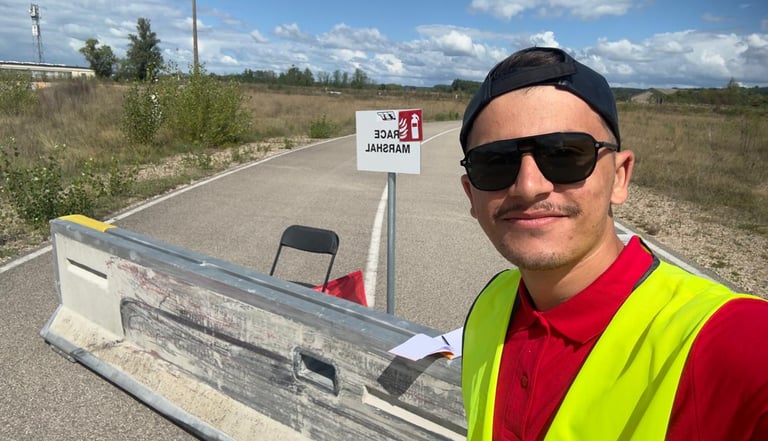
I participated in the Marshall race at Transpolis, near Lyon, and it was one of the most memorable experiences I’ve had so far. The combination of speed, performance, and the thrill of the track made it truly unforgettable.
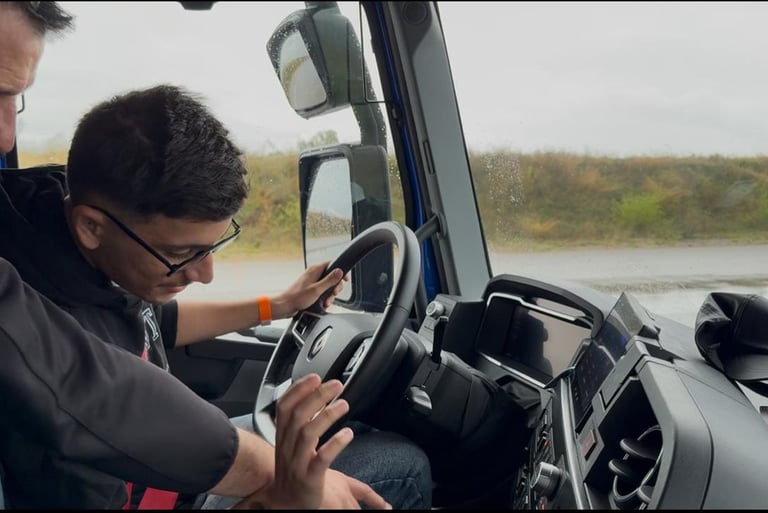
I had the unique experience of driving a massive electric truck, a Renault T High Electric, discovering the driver’s perspective and the human-machine interface. Experiencing the dashboard, controls, and the interaction with the machine while driving at high speeds, around 100 km/h, on a wet track, gave me a deep appreciation for vehicle performance, safety, and the challenges of controlling such a powerful machine.
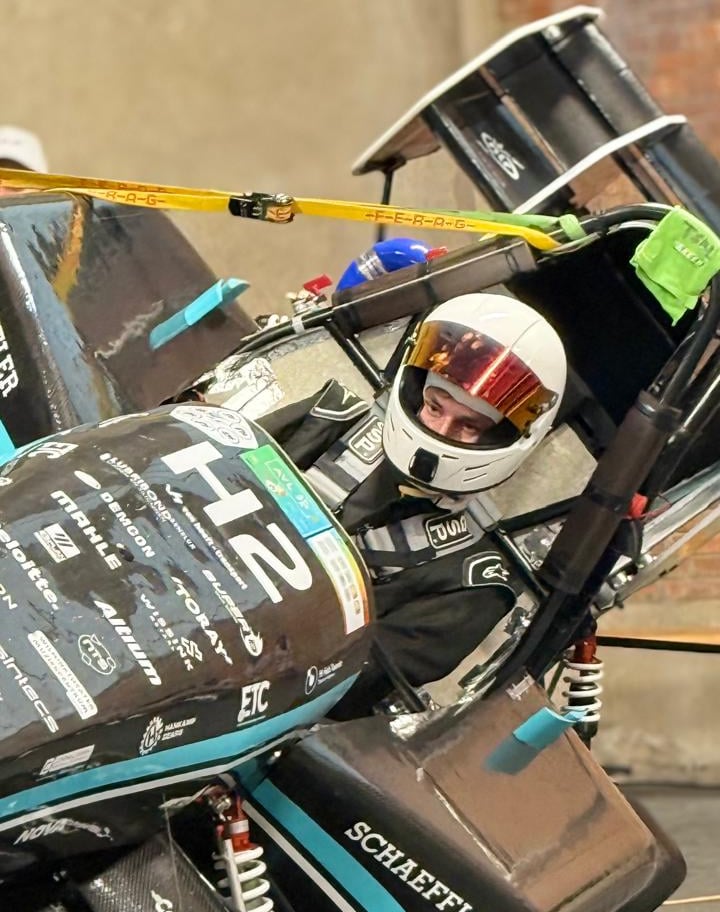
I had the chance to witness the tilt test in Formula Student, an event where cars are lifted to evaluate their stability. What made this experience unique was that it wasn’t just any car, it was a hydrogen-powered vehicle designed by the University of Twente in the Netherlands. Seeing such an innovative machine undergo rigorous testing gave me a deeper understanding of vehicle dynamics, safety, and cutting-edge automotive technology.
Contact me
Feel free to contact me for any questions or future collaboration.