High-Performance BMS Architecture
This block focuses on a high-performance Battery Management System (BMS) designed to monitor and manage battery packs in real-time. It handles voltage, current, and temperature measurements, cell balancing, and communicates with vehicle systems via CAN, ensuring safety, reliability, and optimal performance under demanding conditions.
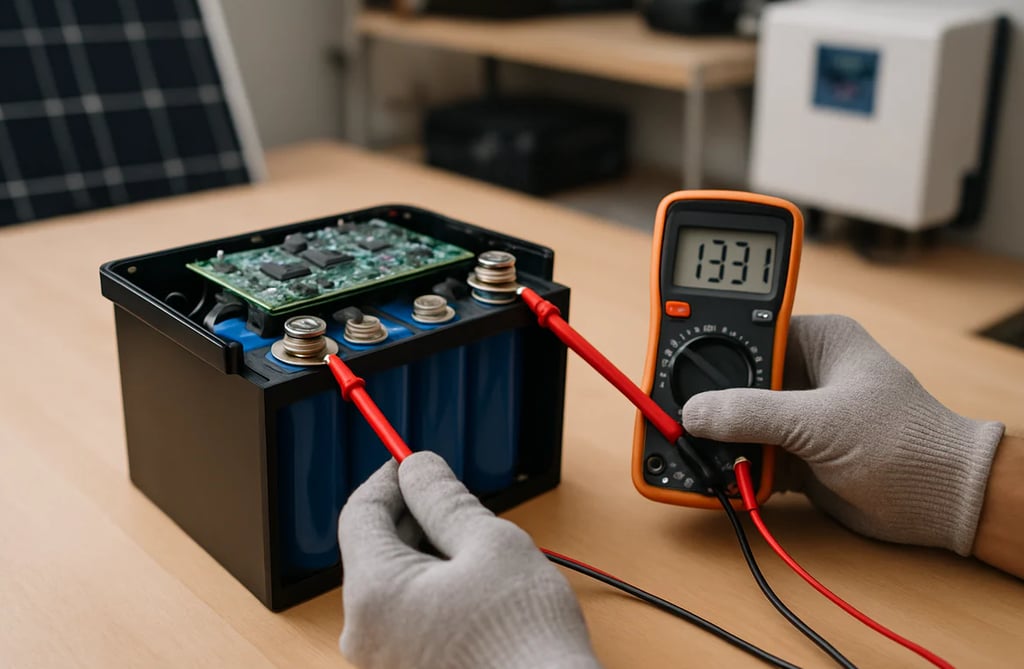
As the head of the electrical department at N7 Racing Team, I am responsible for leading multiple projects and coordinating several teams of engineers. Beyond my role as department head and treasurer, I am deeply involved in the Battery Management System (BMS) of our race car, which allows me to gain a thorough understanding of microcontrollers, embedded electronics, and automotive communication protocols such as CAN Bus, all of which are essential in the automotive industry.
This project is highly educational and complements my studies at ENSEEIHT, as it exposes me to practical applications not covered in the classroom. I am involved in designing, implementing, and testing the BMS, including cell monitoring, voltage and current measurements, temperature management, and real-time data communication between the battery pack and the car’s main control system. Working on this system has strengthened my skills in embedded programming, hardware-software integration, and debugging complex circuits.
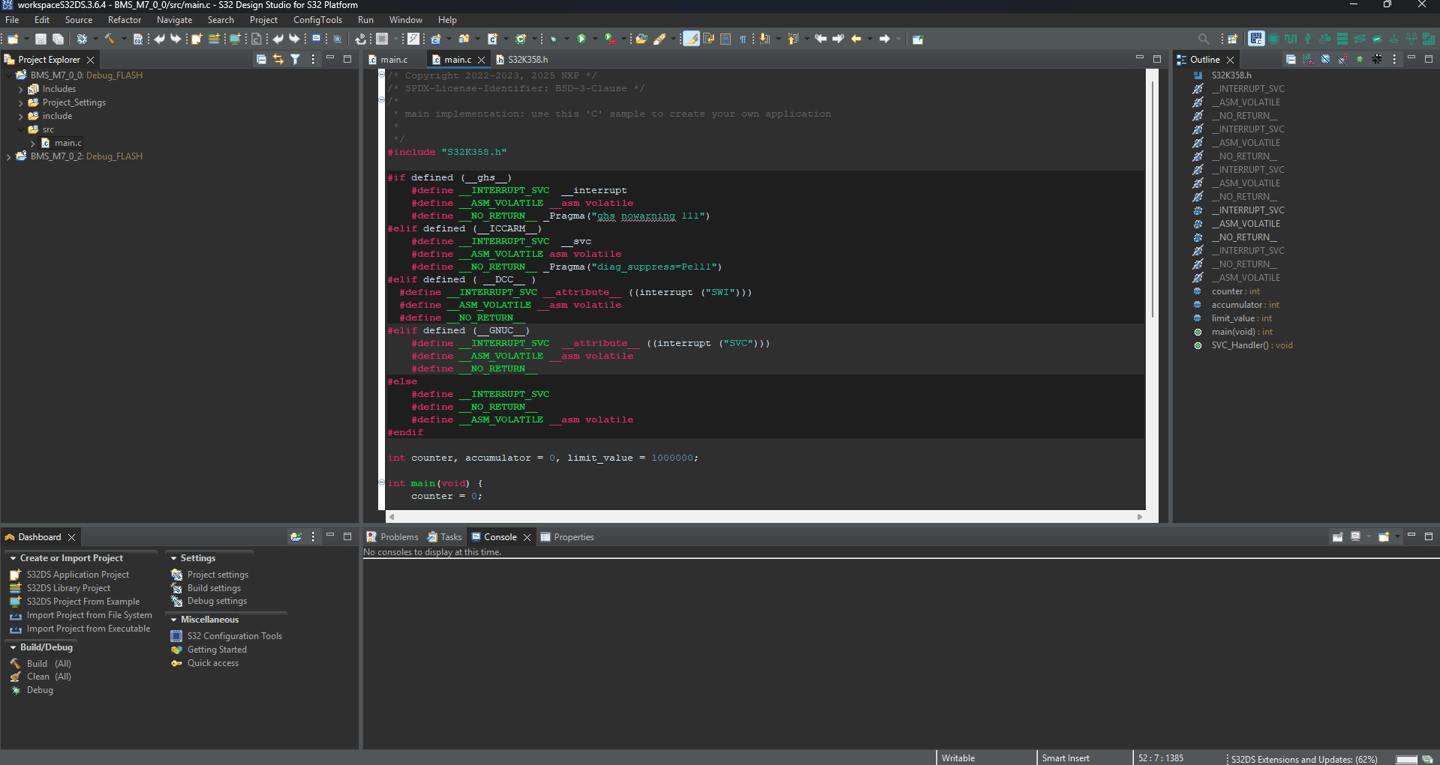
Currently, we are also exploring S32 Design Studio from NXP Semiconductors, which provides the development tools and microcontrollers for our BMS. This involves learning to configure the microcontroller, set up CAN communication, write firmware for real-time battery monitoring, and integrate safety-critical functions. This hands-on experience is invaluable, as it allows me to bridge the gap between theoretical knowledge and real-world automotive engineering.
Through this role, I am continuously learning to manage projects, solve technical challenges, and apply advanced engineering concepts in a high-pressure, fast-paced motorsport environment. It is one of the most formative experiences of my engineering journey so far.
What I Learned from the Project
Through this project, I gained a solid understanding of embedded systems and microcontroller architecture, particularly ARM Cortex-M processors. I learned how the different components of a microcontroller—CPU, memory, timers, and peripherals—interact to execute real-time tasks efficiently. Working on the BMS exposed me to communication protocols like CAN Bus, including message structuring, arbitration, and error handling, which are essential in automotive electronics.
I also learned to implement and optimize control algorithms for battery management, such as state-of-charge estimation, cell balancing strategies, and temperature regulation. Debugging and integrating these algorithms in real hardware strengthened my skills in firmware development, hardware-software interfacing, and troubleshooting complex systems under real operating conditions.
Of course, I don’t yet have a complete, in-depth understanding of all these topics—but I am learning progressively as the project advances, and each stage provides new technical challenges and opportunities to deepen my knowledge.
Beyond technical skills, I developed project management abilities, coordinating multiple teams and ensuring that different parts of the system work together seamlessly. This project gave me insights into real-world engineering challenges that cannot be fully captured in classroom studies, from optimizing system performance to ensuring safety and reliability in high-demand automotive applications.